NVIDIA
GeForce RTX 5060
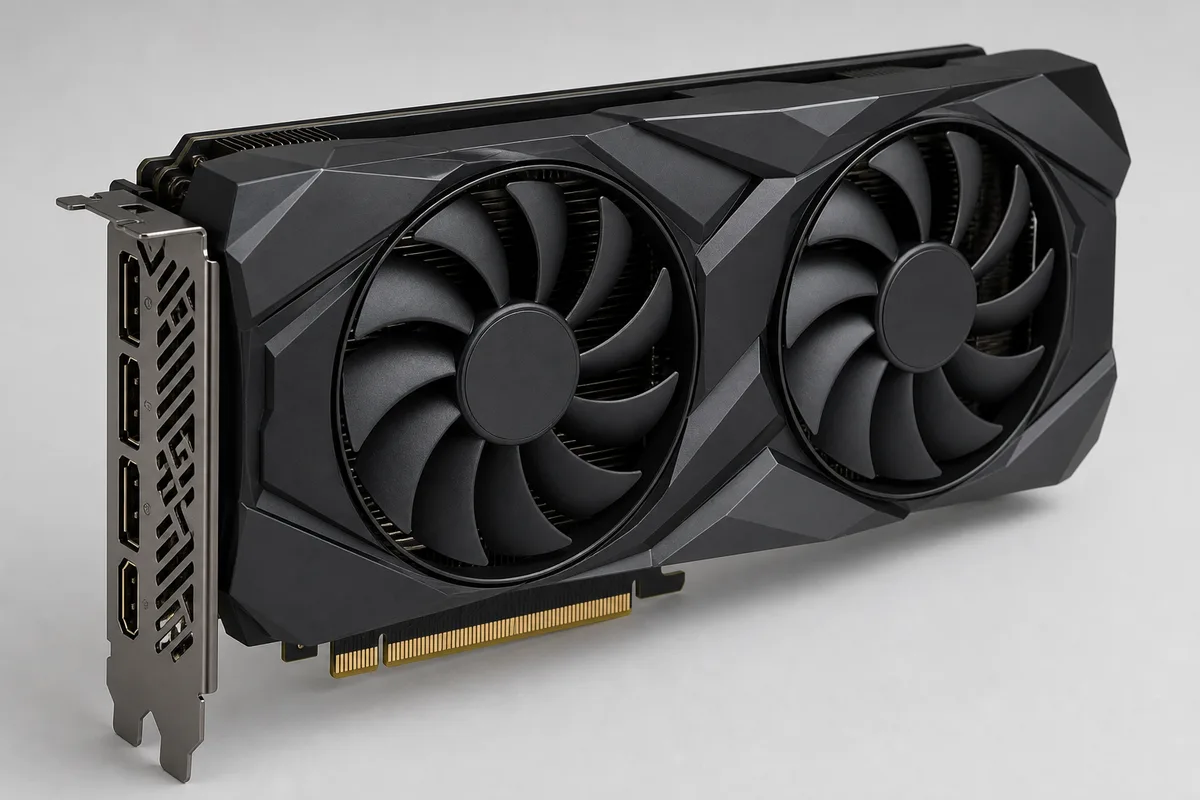
VRAM
8 GB
CUDA Cores
3,840
TDP
145 W
Memory
GDDR7
Architecture
MicroarchitectureBlackwell
CUDA Cores3840
Tensor Cores5th Generation 614 AI TOPS
RT Cores4th Generation 58 TFLOPS
Base Clock2.28 GHz
Boost Clock2.50 GHz
Dynamic PrecisionSupported (FP4)
Memory & VRAM
Memory TypeGDDR7
Total Capacity8 GB
Bus Width128-bit
Memory PoolingNot Supported
Connectivity & Scaling
PCIe InterfaceGen 5
Power & Efficiency
TDP145 W
PSU Required550
Connectors1x PCIe 8-pin cables OR 300 W or greater PCIe Gen 5 cable (adapter in box)
Thermal LimitsMaximum GPU Temperature: 89 C
Physical Design
Form FactorPCIe
Software Ecosystem
CUDA12.0
PyTorchYes
Driver StabilityYes
Server & Deployment
OEM AvailabilityAvailable May 19
System Compatibility
Required PCIePCI Express Gen 5
OS CompatWindows PC
Multi-GPU Scalability
Scaling Characteristics
ParallelismPCI Express Gen 5: Yes; Resizable BAR: Yes; NVIDIA NVLink (SLI-Ready): No; CUDA Capability: 12.0
Workload Readiness
Market Authority
Supercomputer Usage
All backed by an NVIDIA AI supercomputer in the cloud, constantly improving your PC’s gaming capabilities.
Key Strengths
Limitations
Also in the Lineup
Expert Insight
The GeForce RTX 5060 represents a strategic leap in AI compute. When comparing cloud providers, consider not just the hourly rate, but also the interconnect bandwidth (InfiniBand/NVLink) and regional availability which can significantly impact total cost of ownership for large-scale training.
Glossary Terms
FP32 TFLOPS
VRAM
TDP
Cores
Information updated daily. Cloud pricing subject to vendor availability.