NVIDIA
GeForce RTX 5070 Ti
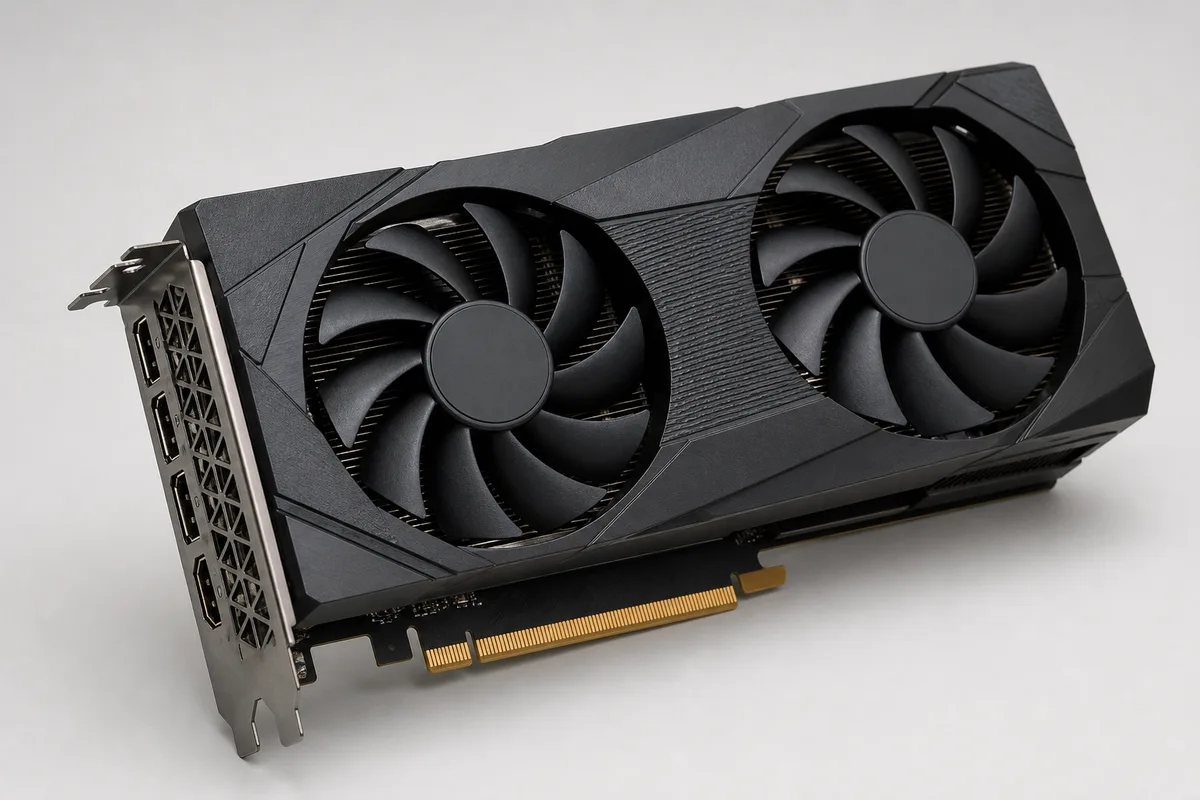
VRAM
16 GB
CUDA Cores
8,960
TDP
300 W
Memory
GDDR7
Architecture
MicroarchitectureBlackwell
CUDA Cores8960
Tensor Cores5th Generation, 1406 AI TOPS
RT Cores4th Generation, 133 TFLOPS
Base Clock2.3 GHz
Boost Clock2.45 GHz
Transformer EngineYes (2nd-gen transformer model)
Dynamic PrecisionSupported (FP4)
Memory & VRAM
Memory TypeGDDR7
Total Capacity16 GB
Bus Width256-bit
Connectivity & Scaling
PCIe InterfaceGen 5
Power & Efficiency
TDP300 W
PSU Required750
Connectors2x PCIe 8-pin cables (adapter in box) OR 300 W or greater PCIe Gen 5 cable
Thermal LimitsMaximum GPU Temperature: 88 C
Software Ecosystem
CUDA12.0
PyTorchmaximize performance across Windows ML, Ollama, PyTorch, and other inference backends.
Driver Stabilityworld-class NVIDIA Studio drivers engineered and continually updated to provide maximum stability, and a suite of exclusive tools that harness the power of RTX for AI-assisted creative workflows.
System Compatibility
CPU PairingMinimum is based on a PC configured with a Ryzen 9 9950X processor.
Required PCIePCI Express Gen 5
OS CompatWindows PC
Benchmarks & Throughput
Scaling Efficiency
NVIDIA NVLink™ (SLI-Ready): No
Multi-GPU Scalability
Scaling Characteristics
ParallelismNo (NVIDIA NVLink / SLI-Ready)
Workload Readiness
LLM Inference
Yes
Diffusion Models
Yes
Market Authority
Key Strengths
Limitations
Also in the Lineup
Expert Insight
The GeForce RTX 5070 Ti represents a strategic leap in AI compute. When comparing cloud providers, consider not just the hourly rate, but also the interconnect bandwidth (InfiniBand/NVLink) and regional availability which can significantly impact total cost of ownership for large-scale training.
Glossary Terms
FP32 TFLOPS
VRAM
TDP
Cores
Information updated daily. Cloud pricing subject to vendor availability.