NVIDIA

P100

PCIe

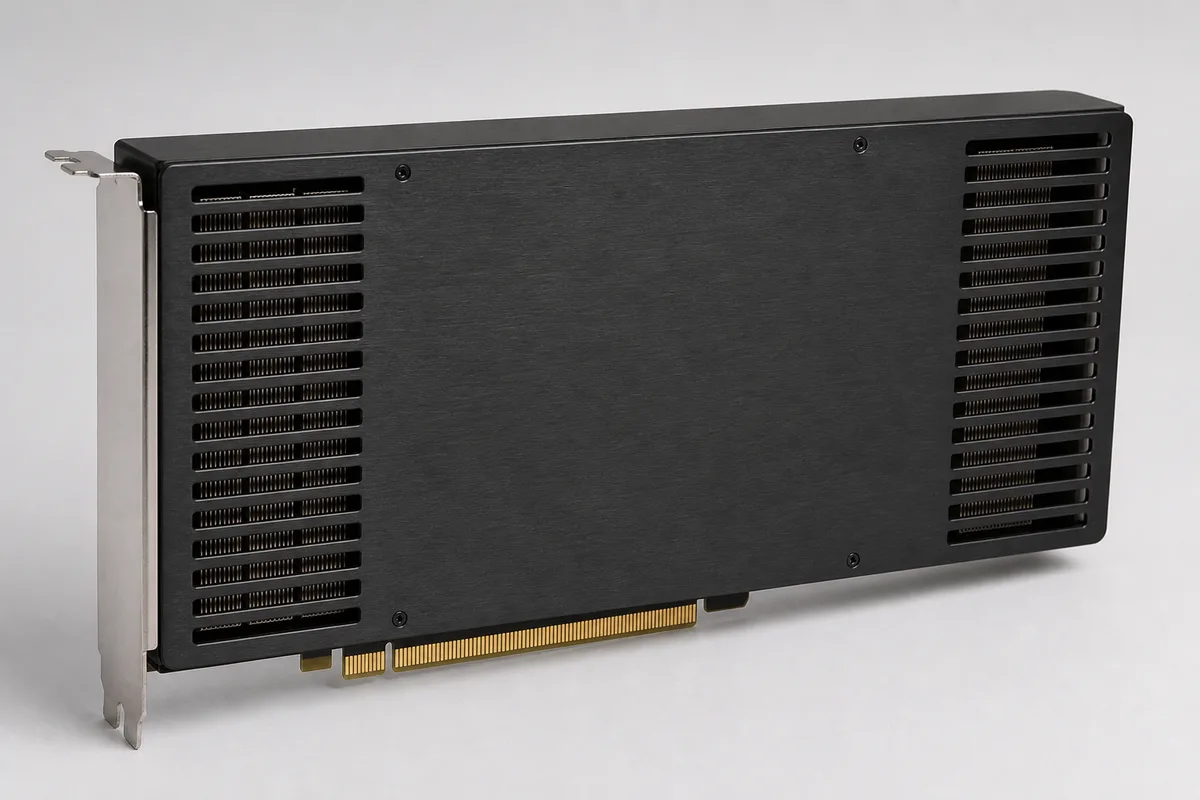
P100 PCIe — illustration of the card's form factor
FP32 TFLOPS
9.3 TFLOPS
CUDA Cores
3,584
TDP
250 W
Memory
HBM2

Provider Marketplace

Cheapest
$0.11/hour
Starting from
Best Value
Awaiting listings
No additional provider yet
Enterprise Choice
$1.87/hour
Starting from

All Cloud Providers

2 Options available
Prime Intellect logo
On-Demand
$0.11/ hour
Estimated Cost
Provision
Alibaba Cloud logo
On-DemandChina (Shanghai)
$1.87/ hour
Estimated Cost
Provision

Estimates onlyrates are collected automatically from public provider pages and may be out of date. Prices vary by region, commitment term, and availability, and typically exclude storage, egress, and tax. Confirm current pricing with the provider before purchasing. Last collected .

Compute Performance

FP644.7 TFLOPS
FP329.3 TFLOPS
FP1618.7 TFLOPS

Architecture

MicroarchitecturePascal
CUDA Cores3584
Base Clock1189 MHz
Boost Clock1328 MHz
Dynamic PrecisionSupported (FP64/FP32/FP16)

Memory & VRAM

Memory TypeHBM2
ECC SupportYes (native support, enabled by default)
Unified MemoryYes (unified virtual memory and page migration engine)

Connectivity & Scaling

InterconnectPCIe
GenerationPCI Express 3.0
PCIe InterfacePCI Express 3.0 x×16
P2P Memoryunified virtual memory

Power & Efficiency

TDP250 W
Peak Power250
ConnectorsOne CPU 8-pin auxiliary power connector
Thermal LimitsPassive heatsink (requires system airflow); Operating temperature 0 °C to 45 °C; GPU maximum operating temperature 80 °C; GPU slowdown temperature (50% clock slowdown) 82 °C; GPU shutdown temperature 85 °C

Physical Design

Form FactorPCIe
FHFLYes
Slot WidthDual-slot
Weight1177 Grams
CoolingPassive

Thermals & Cooling

Airflow{"30 °C":12,"35 °C":15,"40 °C":19,"45 °C":26,"50 °C":37}
Temp Range0 °C to 45 °C
ThrottlingGPU slowdown: 50% clock slowdown at 82 °C; GPU shutdown at 85 °C; GPU maximum operating temperature 80 °C

Software Ecosystem

Compiler StackCompute APIs CUDA, DirectCompute, OpenCL ™, OpenACC
Driver StabilityWindows Hardware Quality Lab (WHQL) certified (Windows 7, Windows 8.1, Windows 10, Windows Server 2008 R2, Windows Server 2012 R2)

Server & Deployment

Rack-ScaleTesla P100 for PCIe enables a single node to replace half a rack of commodity CPU nodes by delivering lightning-fast performance in a broad range of HPC applications.

System Compatibility

Required PCIePCI Express 3.0 ×16
MotherboardConforms to NVIDIA Form Factor 3.0 specification
Rack PowerTotal board power 250 W
BIOS LimitsUEFI Supported
OS CompatWindows 7; Windows 8.1; Windows 10; Windows Server 2008 R2; Windows Server 2012 R2

Multi-GPU Scalability

Scaling Characteristics

Network BottlenecksThe old approach of deploying lots of commodity compute nodes requires huge interconnect overhead that substantially increases costs without proportionally increasing performance.
ParallelismCompute APIs CUDA, DirectCompute, OpenCL ™, OpenACC

Workload Readiness

Vision Training

18.7 TeraFLOPS (half-precision, FP16)

HPC / Simulation

4.7 TeraFLOPS (double-precision, FP64)

Scientific Computing

4.7 TeraFLOPS (double-precision, FP64)

Market Authority

Community Benchmarks

Performance comparisons for NAMD, VASP, MILC, HOOMD, AMBER, and Caffe/AlexNet vs K80

Key Strengths

Limitations

Expert Insight

The P100 represents a strategic leap in AI compute. When comparing cloud providers, consider not just the hourly rate, but also the interconnect bandwidth (InfiniBand/NVLink) and regional availability which can significantly impact total cost of ownership for large-scale training.

Glossary Terms

FP32 TFLOPS
VRAM
TDP
Cores
Information updated daily. Cloud pricing subject to vendor availability.