NVIDIA
GeForce RTX 5090
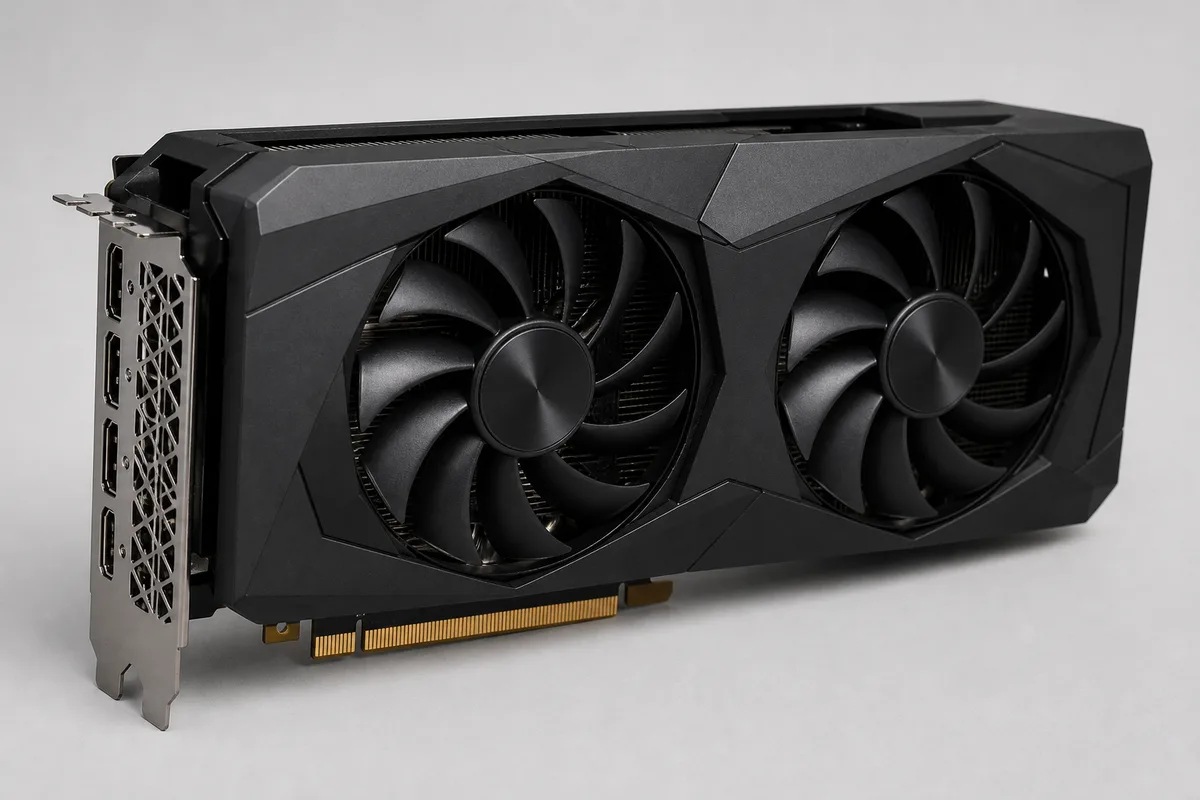
The NVIDIA GeForce RTX 5090 is a high-end consumer graphics card targeting gamers and content creators who demand top-tier performance. Built on the Ada Lovelace architecture, it offers significant improvements in ray tracing and AI-driven tasks. With enhanced CUDA cores and advanced RT and Tensor cores, it is designed for 4K gaming and complex rendering tasks.
Provider Marketplace
All Cloud Providers
Estimates only — rates are collected automatically from public provider pages and may be out of date. Prices vary by region, commitment term, and availability, and typically exclude storage, egress, and tax. Confirm current pricing with the provider before purchasing. Last collected .
Architecture
Memory & VRAM
Connectivity & Scaling
Power & Efficiency
Physical Design
Software Ecosystem
Server & Deployment
System Compatibility
Benchmarks & Throughput
Scaling Efficiency
NVIDIA NVLink (SLI-Ready): No
Multi-GPU Scalability
Scaling Characteristics
Workload Readiness
Market Authority
Key Strengths
The RTX 5090 excels in high-performance gaming and creative workloads.
- ·4K Gaming: Delivers exceptional performance in 4K gaming with high frame rates.
- ·Ray Tracing: Advanced RT cores provide realistic lighting and shadows.
- ·AI Tasks: Enhanced Tensor cores accelerate AI-driven applications.
- ·Content Creation: Optimized for video editing and 3D rendering tasks.
Limitations
High performance comes with increased power and space requirements.
- ·Power Requirements: Demands a powerful PSU, increasing overall system cost.
- ·Size: Large size may not fit in smaller cases.
Also in the Lineup
Expert Insight
The GeForce RTX 5090 represents a strategic leap in AI compute. When comparing cloud providers, consider not just the hourly rate, but also the interconnect bandwidth (InfiniBand/NVLink) and regional availability which can significantly impact total cost of ownership for large-scale training.