NVIDIA · Q2 2023
HGX B300
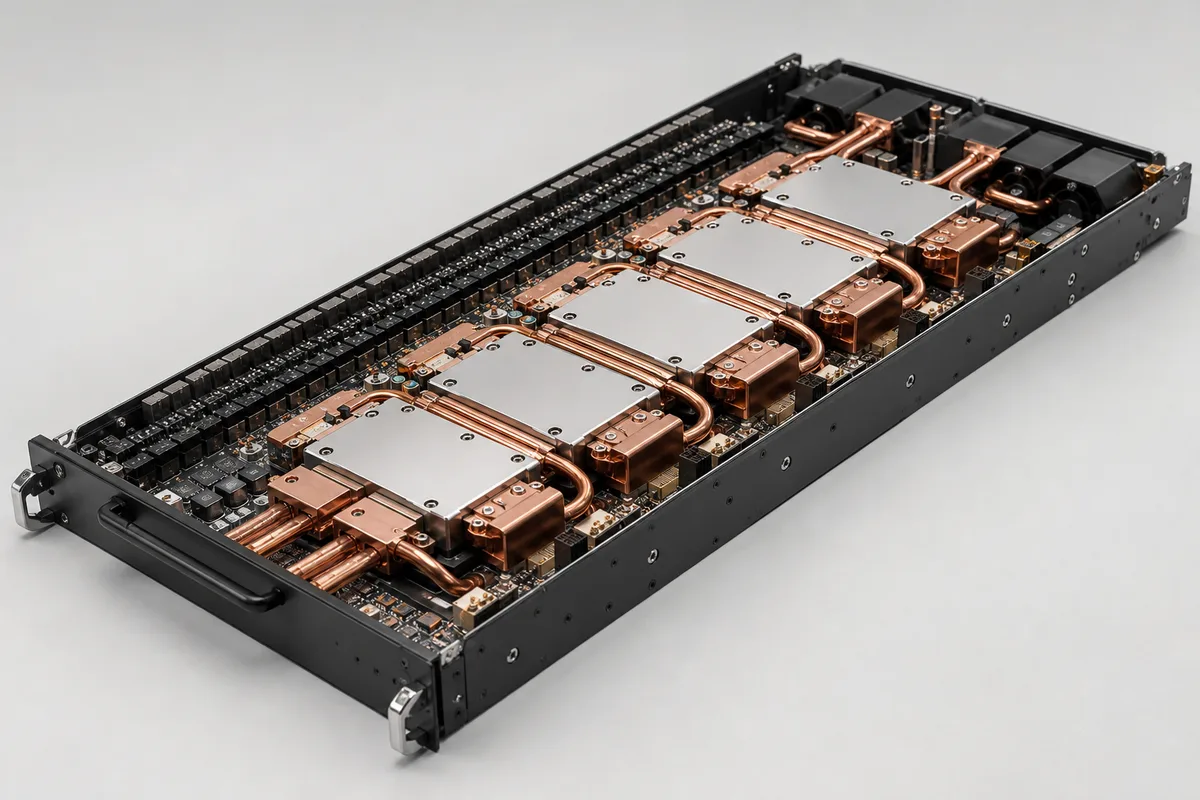
The NVIDIA HGX B300 is a high-performance computing platform designed for AI training and inference, as well as scientific computing workloads. It is part of NVIDIA's HGX series, which is tailored for datacenter environments requiring massive parallel processing power. The B300 variant is built on the latest GPU architecture, offering significant improvements in performance and efficiency over previous generations.
Provider Marketplace
All Cloud Providers
Estimates only — rates are collected automatically from public provider pages and may be out of date. Prices vary by region, commitment term, and availability, and typically exclude storage, egress, and tax. Confirm current pricing with the provider before purchasing. Last collected .
System Compatibility
Benchmarks & Throughput
Structured Sparsity
Dense is ½ sparse spec shown.
Transformer Throughput
Attention performance: 2x over DGX B200
MLPerf Results
MLPerf Inference v6.0 (April 2026) highest throughput across the widest range of models; DeepSeek-R1: 2.5 million tokens per second
Inference Benchmarks
System-level inference performance and cost claims (144 petaFLOPS FP4; throughput and cost claims vs Hopper and DeepSeek-R1 results)
Scaling Efficiency
NVIDIA NVLink Switch System: 2x; NVIDIA NVLink Bandwidth: 14.4 TB/s aggregate bandwidth
Multi-GPU Scalability
Scaling Characteristics
Workload Readiness
Market Authority
Key Strengths
The HGX B300 excels at large-scale AI training and inference tasks, offering unparalleled performance for deep learning models. Its architecture is optimized for high throughput and low latency, making it ideal for scientific simulations and complex data analytics. The platform's scalability and efficiency set it apart from alternatives.
Limitations
While the HGX B300 offers exceptional performance, its high power consumption and cooling requirements may limit its use in smaller or less equipped datacenters. Additionally, its availability may be constrained by supply chain factors, and its cost can be prohibitive for smaller organizations.
Also in the Lineup
Expert Insight
The HGX B300 represents a strategic leap in AI compute. When comparing cloud providers, consider not just the hourly rate, but also the interconnect bandwidth (InfiniBand/NVLink) and regional availability which can significantly impact total cost of ownership for large-scale training.